






Digital Detox for Healthcare Workers: Managing Screen Time and Tech Burnout
Jan 19, 2026
Last Updated On: February 10, 2026
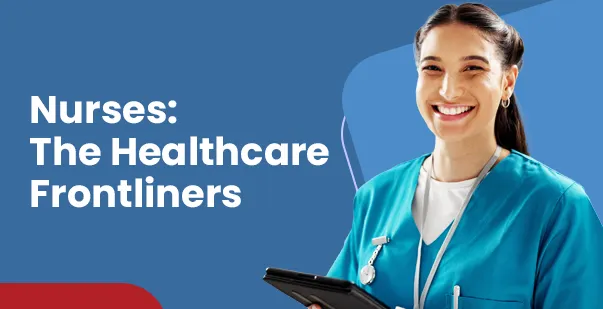
Nurses are the first faces you see in the emergency room, the steady hands during surgery, and the kind voices that guide you through recovery. In 2025, with over 29 million nurses worldwide and more than 4.5 million registered nurses in the U.S. alone, according to the World Health Organization (WHO). They make up the largest portion of the global healthcare workforce.
Nurses play a big role in healthcare, but they’re often not given enough credit. Even after the COVID-19 pandemic, many nurses are still dealing with long hours, burnout, staffing shortages, and safety concerns.
This blog is a tribute to the people behind the scrubs as we explore how nurses shape patient care, strengthen health systems, and inspire the future of medicine. It’s time we recognize the contributions of nurses in healthcare, not just as caregivers, but as the foundation of modern healthcare.
While doctors diagnose and prescribe, it’s nurses who provide continuous care, monitor recovery, and support patients through every step of the healing process. The role of nurses in patient care is not confined to one room, task, or specialty. Nurses assist in operating rooms, community clinics, rural health camps, telehealth screens, and even policy meetings.
Let’s look at how nurses go beyond the call of duty to provide quality healthcare to patients:
From high-tech ICUs to underserved rural health camps, nurses serve on the frontlines of care delivery. Their adaptability allows them to treat patients physically, emotionally, and medically. According to the research published in PubMed Central (PMC), nurses play an important role in a patient’s hospital discharge planning. The contributions of nurses in healthcare extend far beyond the hospital walls, ensuring continuity of care in every environment.
What truly makes nurses the heartbeat of healthcare is their blend of clinical expertise and emotional intelligence. They notice when a patient is anxious, when a wound isn’t healing properly, or when a subtle change in behavior signals a deeper issue. This “whole-person” approach is one reason why healthcare settings that empower nurses often see higher patient satisfaction and improved health outcomes.
A study published in The Lancet found that a 10% increase in bachelor’s-prepared nurses on staff was associated with a 7% reduction in hospital mortality. That kind of impact can literally save lives. As a nurse, you are a part of a healthcare team, working closely with doctors, therapists, social workers, and families. You will play an important role in helping patients understand their care and feel more supported during their treatment.
Nurses adapt quickly. During the height of COVID-19, many became surrogate family members for isolated patients, holding hands through layers of PPE and facilitating final goodbyes over video calls. Beyond bedside care, they coordinate treatment, help prevent readmissions, and guide patients in managing their health after discharge. Trained in emergency response, including the use of AED (Automated External Defibrillator), nurses are often the first to act during critical moments, saving lives when every second counts.
Behind every healed wound, stabilized set of vitals, or successful discharge is a nurse whose dedication made it possible. Nurses don’t just follow protocols. They provide enhanced care through intuition, consistency, and decisive action. Their care is personalized and often overlooked by the untrained eye.
Below, we look at the key ways the contributions of nurses in healthcare enhance patient care on a daily basis:
Nurses are often the central node in a multidisciplinary care team. They schedule diagnostic tests, follow up on lab results, manage documentation, and update care plans in real time. In high-volume hospital settings, when systems are often overwhelmed, this behind-the-scenes coordination helps ensure patients don’t get compromised care. According to the American Nurses Association (ANA), effective nurse-led care coordination can reduce patient wait times by up to 25%, improving both clinical outcomes and patient satisfaction.
A central part of modern nursing is educating patients and their caregivers. Nurses teach patients how to manage chronic conditions like diabetes or hypertension, explain post-surgery care, and help families with home recovery plans. This focus on continuing education has been shown to reduce hospital readmissions by over 11.9%, according to a study published in the National Library of Medicine. It highlights the role of nurses in healthcare by highlighting how the contributions of nurses in healthcare extend well beyond hospital walls, fostering long-term wellness.
Nurses are in a unique position to spot and address unfair differences in healthcare. They notice when patients in underserved areas aren’t getting follow-up care, and help unhoused patients connect with social services.
In a healthcare system that often feels impersonal and rushed, nurses provide a steadying presence. A 2023 Gallup poll ranked nursing as the most trusted profession in the United States for the 22nd consecutive year, as reported in the Massachusetts Nurses Association, with 79% of Americans rating nurses’ honesty and ethics as “very high.” That trust forms the foundation of effective healing and fosters deeper connections between patients and providers.
Nurses are the backbone of healthcare systems worldwide, taking on critical responsibilities that extend far beyond bedside care. Their diverse contributions enhance patient outcomes, streamline care delivery, and strengthen the overall resilience of health systems. Here are key ways in which nurses reinforce the foundations of healthcare.
Nurses expand access to care, especially for patients in underserved or remote communities. They serve as care coordinators, facilitating communication among specialists, primary care providers, and families. This coordination is essential for managing chronic diseases and reducing hospital readmissions. Their contributions in bridging these gaps cannot be overstated, as they bring care directly to those who need it most.
Community health nurses are instrumental in promoting wellness and preventing disease across diverse populations. As per Wikipedia, programs like the Nurse-Family Partnership have demonstrated significant outcomes, including a 48% including a 48% reduction in child abuse and neglect. These outcomes highlight the powerful impact of nurse-driven community interventions in improving public health.
Nurses are taking on more leadership roles that influence healthcare policy, governance, and system operations. Their hands-on experience gives them a unique understanding of patient needs and areas where the system can improve, making them strong advocates for meaningful change.
The use of electronic medical records (EMRs) and telehealth platforms has greatly enhanced nursing practice. Nurses use EMRs to keep accurate records, track patient progress, and collaborate with other healthcare teams. With telehealth, nurses can provide remote consultations, follow-up care, and patient education. This expands access to healthcare in rural and underserved areas while also improving the efficiency of care.
During public health emergencies like pandemics, natural disasters, and humanitarian crises, nurses are at the forefront, providing essential care and leading emergency responses. Their clinical skills, flexibility, and leadership in crises are vital in handling patient surges, implementing infection control measures, and supporting large-scale public health efforts. Throughout the COVID-19 pandemic , nurses were key in patient care, community outreach, and helping the healthcare system recover.
Nurses are the backbone of healthcare, driving patient care, system efficiency, and long-term health outcomes. Their impact extends far beyond the bedside, shaping everything from patient education to healthcare policy. In 2025, the contributions of nurses in healthcare remain indispensable as they tackle ongoing healthcare challenges, even though their efforts often go unnoticed. It’s time to give them the recognition and support they deserve. So, the next time you visit a hospital, clinic, or community health center, take a moment to thank a nurse.
Ready to make a life-saving difference in healthcare? Enroll in our CPR for Healthcare Providers course today. Gain critical skills, respond confidently in emergencies, and be the support your patients can count on. Sign up now and be prepared when it matters most!
Read More:
Subscribe
Search Here
Select Courses
Recent Posts

New CPR & AED Laws in Schools Explained
Categories
